
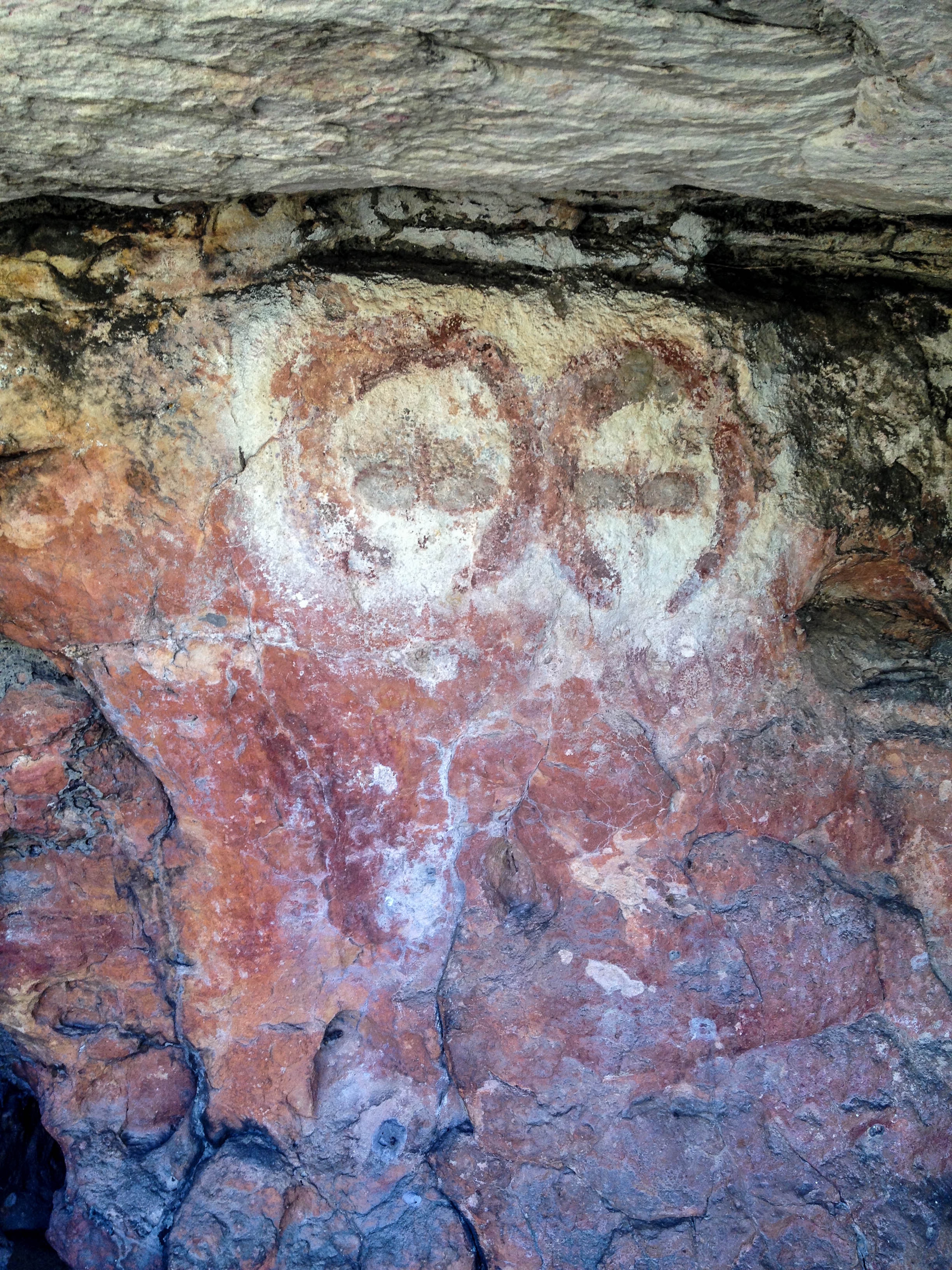
Australia’s Kimberley region, located in the northern part of Western Australia, is home to one of the world’s oldest and most diverse collections of rock art. Created by the Aboriginal people over tens of thousands of years, these artworks provide a fascinating glimpse into Australia’s ancient past.
The Rock Art of the Kimberley
The Kimberley rock art is incredibly diverse, with a wide range of styles and subjects depicted. The most ancient artworks, known as the Gwion Gwion or Bradshaw paintings, feature finely detailed human figures adorned with elaborate clothing and accessories. Other artworks depict animals, spiritual figures, and scenes of daily life, providing valuable insights into the culture and beliefs of the region’s ancient inhabitants.
Dating the Artworks
Determining the age of the Kimberley rock art is a complex task. While some of the artworks are believed to be over 40,000 years old, precise dating has been challenging due to the region’s harsh climate and the lack of organic material in the paintings. However, ongoing research using advanced dating techniques continues to shed light on the age of these ancient artworks.
The Significance of the Kimberley Rock Art
The rock art of the Kimberley is not just significant for its age and diversity. It also represents a continuous link between the region’s Aboriginal inhabitants and their ancestors. The artworks are an integral part of the cultural landscape, with many sites still considered sacred by the Aboriginal people today.
The Kimberley rock art is a remarkable testament to Australia’s ancient history. These ancient artworks, etched onto the rugged landscape, provide a unique window into the lives and beliefs of the Aboriginal people who have called this region home for tens of thousands of years.
 Ruins and Relics