
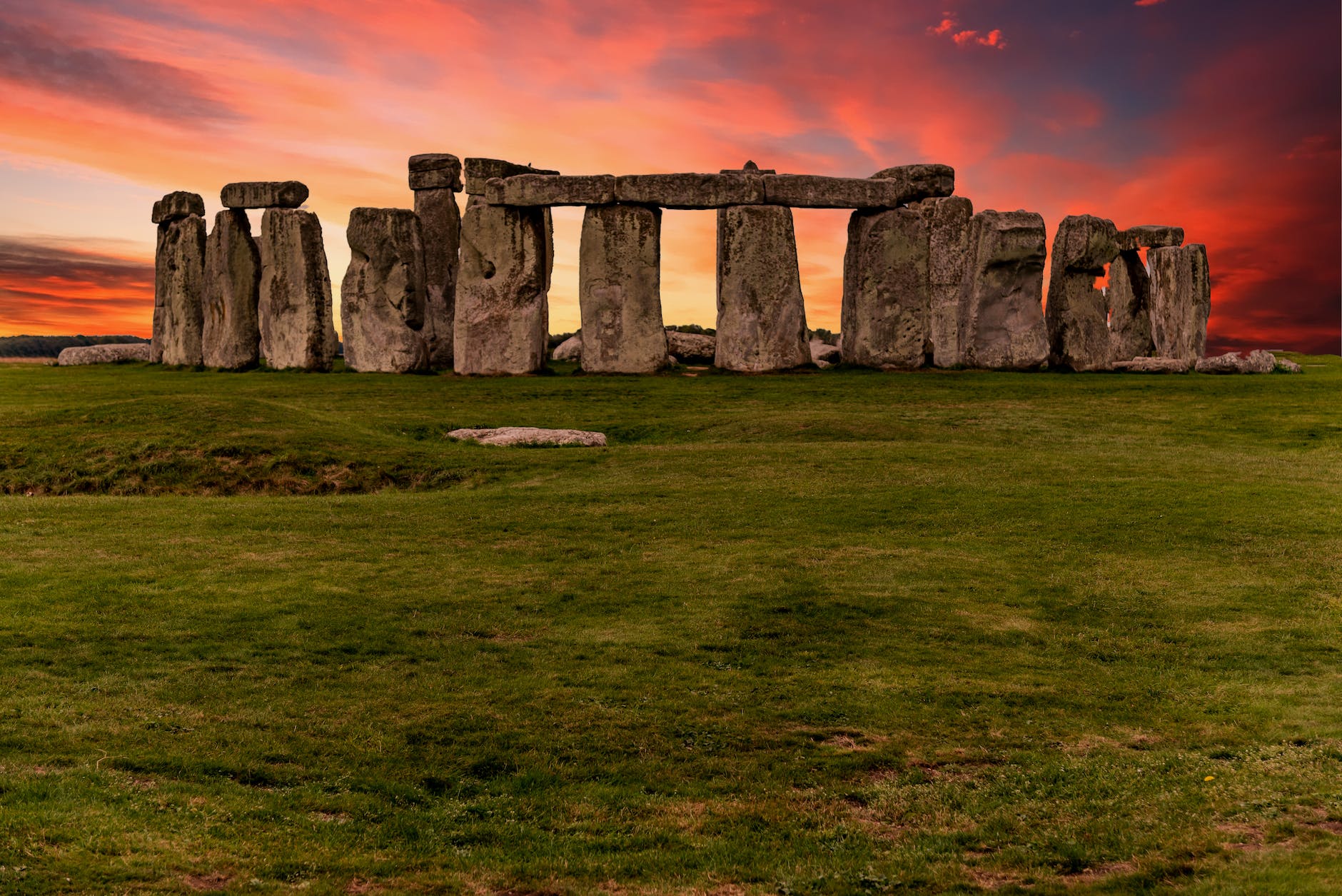
Stonehenge, the iconic prehistoric monument located in Wiltshire, England, has been a source of fascination and speculation for centuries. This ancient stone circle, constructed between 3000 and 2000 BC, is one of the world’s most famous archaeological sites, yet much about it remains a mystery.
The monument consists of a ring of standing stones, each around 13 feet high, seven feet wide, and weighing around 25 tons. These massive stones were transported from a great distance, a feat that would have required considerable manpower and ingenuity. The purpose of Stonehenge, however, is where the real mystery lies.
Many theories have been proposed over the centuries. Some believe it was an astronomical observatory, while others suggest it was a sacred burial site. More recent theories propose that it may have been a place of healing, a pilgrimage destination for people seeking cures from various ailments.
Despite the many theories, no definitive evidence has been found to support any one explanation. This lack of certainty only adds to the allure of Stonehenge, making it a captivating subject for both academic study and popular culture.
The construction of Stonehenge demonstrates the remarkable capabilities of our prehistoric ancestors. The monument’s builders, armed with only primitive tools, were able to erect a structure that has withstood the test of time. Their achievement is a testament to human ingenuity and perseverance.
As we delve into the mystery of Stonehenge, we are reminded of our enduring quest to understand our past. This ancient monument, standing in silent majesty, continues to captivate us, its secrets yet to be fully revealed.
Sources:
- “Stonehenge.” English Heritage. https://www.english-heritage.org.uk/visit/places/stonehenge/history-and-stories/history/
- “The Mystery of Stonehenge.” History.com. https://www.history.com/topics/british-history/stonehenge
 Ruins and Relics