
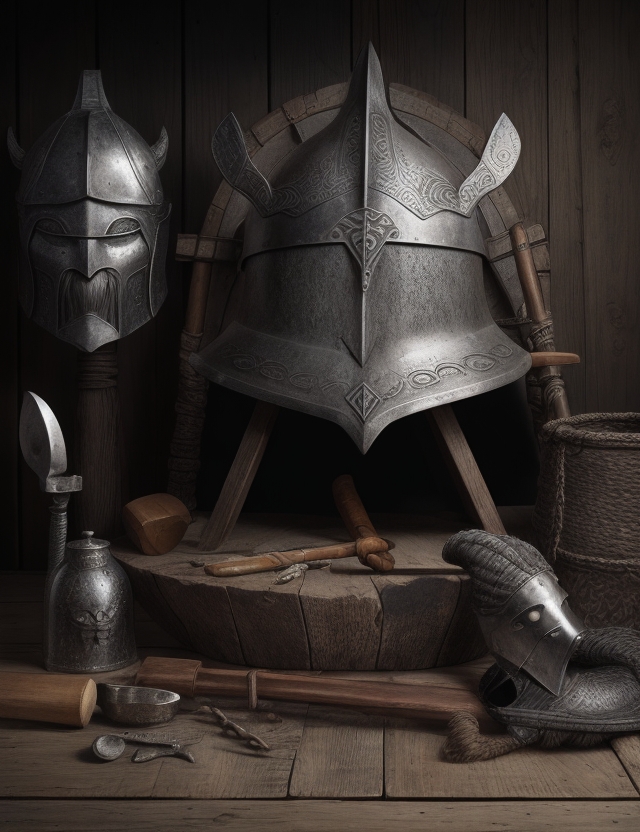
We’ve all got a picture in our head of Vikings: big, bearded men with horned helmets, drinking mead, and sailing in dragon-headed longships. This image has been further popularized in recent years by television shows such as “The Last Kingdom” and “Vikings.” But how much of what we think we know about the Vikings is true? Join us as we embark on a journey to uncover the most common misconceptions about these fascinating Norse warriors.
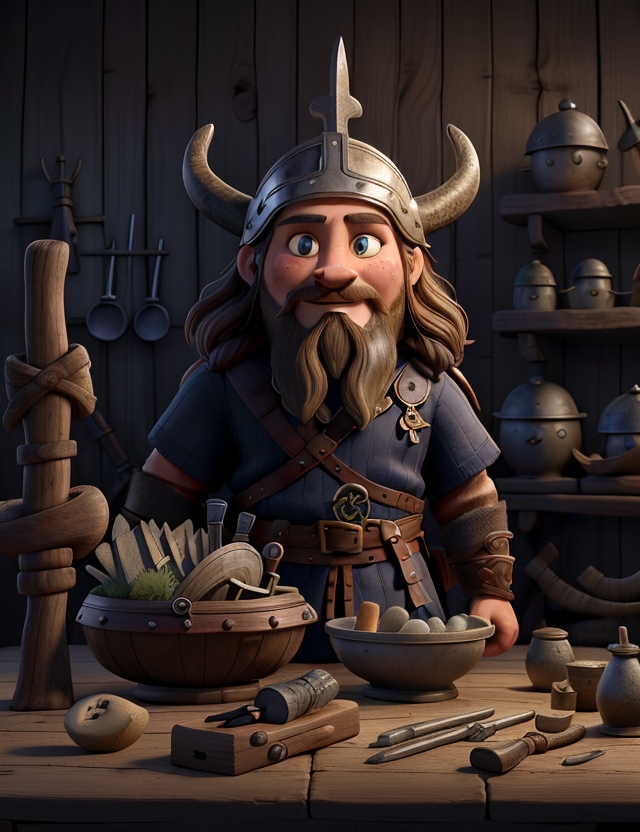
- Horned Helmets: Contrary to popular belief, there is no historical evidence to suggest that Vikings wore horned helmets. This myth likely originated from 19th-century artwork and has since become a symbol of the Viking persona.
- Savage Barbarians: While Vikings were indeed fierce warriors, they were also skilled traders, farmers, and explorers. They established trade routes across Europe, Asia, and even North America, contributing to cultural exchanges and economic growth.
- Drinking Mead from Skulls: The idea of Vikings drinking from the skulls of their enemies is a dramatic exaggeration. While mead was a popular beverage, there’s no evidence to support the gruesome practice of using human skulls as drinking vessels.
- Vikings as a Unified Group: The term “Viking” refers to the seafaring people from the Scandinavian region, but they were not a unified nation. They were divided into various clans and tribes, each with its own customs and traditions.
- Pillage and Plunder: While some Vikings were involved in raiding, not all were pirates and plunderers. Many were settlers who established thriving communities in places like Iceland, Greenland, and parts of Britain.
- Women Warriors: The image of the shield-maiden, a female warrior, has captured the imagination of many. While there is some debate among historians, recent archaeological discoveries suggest that women may have indeed played a role in Viking warfare.
- Short and Dirty: Contrary to the stereotype of the unkempt Viking, archaeological evidence shows that they were quite concerned with personal hygiene. Combs, razors, and tweezers have been found at Viking sites, indicating a focus on grooming and appearance.
The world of the Vikings is rich and complex, far beyond the stereotypes and misconceptions that have shaped our modern understanding. By delving into the historical records and archaeological findings, we can appreciate the true nature of these remarkable people.
The resurgence of interest in Viking culture serves as a reminder of the timeless allure of history and the endless quest to understand our past. We invite you to explore more about the Vikings and other ancient civilizations at ruinsandrelics.com.
Citations:
 Ruins and Relics