
In the heart of ancient Mesopotamia, a craft emerged that would transcend time and influence generations of artisans. Glassmaking, a practice both delicate and profound, became a symbol of innovation and artistic expression. Today, we embark on a journey to explore the techniques, materials, and cultural significance of Mesopotamian glassmaking, and how this nearly forgotten art continues to resonate in modern craftsmanship.
Mesopotamia, often referred to as the cradle of civilization, was home to some of the world’s earliest glassmakers. Around 2500 B.C., the artisans of this region began to experiment with a blend of silica, plant ash, and lime, giving birth to a craft that would evolve into an art form.
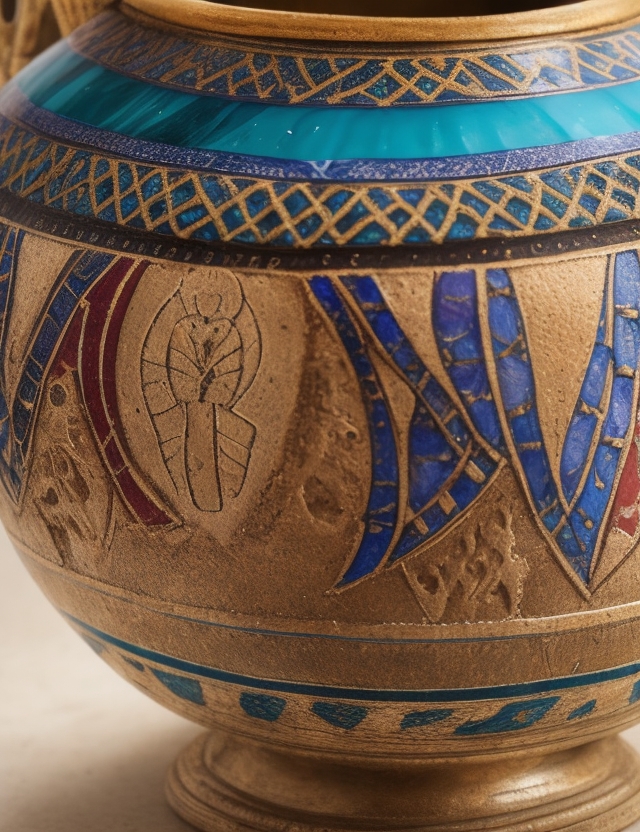
The Mesopotamian glassmakers were masters of their craft, employing intricate techniques that were ahead of their time. They utilized core-forming, where a core of clay was coated with molten glass, and then shaped and decorated with vibrant colors. This method allowed them to create stunning vessels, beads, and decorative objects that were highly prized.
Glassmaking in Mesopotamia was not merely a craft; it was a reflection of society’s values and beliefs. The transparent nature of glass symbolized purity and divinity, and glass objects were often used in religious ceremonies. The artistry involved in creating these pieces spoke of status and wealth, making them treasured possessions of the elite.
The legacy of Mesopotamian glassmaking did not fade with time. It laid the foundation for later glassmaking traditions in Egypt, Rome, and beyond. The techniques and aesthetics developed in Mesopotamia continue to inspire contemporary artists, preserving a connection to an ancient world that still gleams with beauty and innovation.
The art of glassmaking in ancient Mesopotamia is a gleaming echo of a time when creativity knew no bounds. It serves as a testament to human ingenuity and the timeless allure of beauty crafted by hand. As we reflect on this nearly forgotten art, we are reminded that the past continues to shimmer in the present, offering insights and inspiration for generations to come.
 Ruins and Relics