
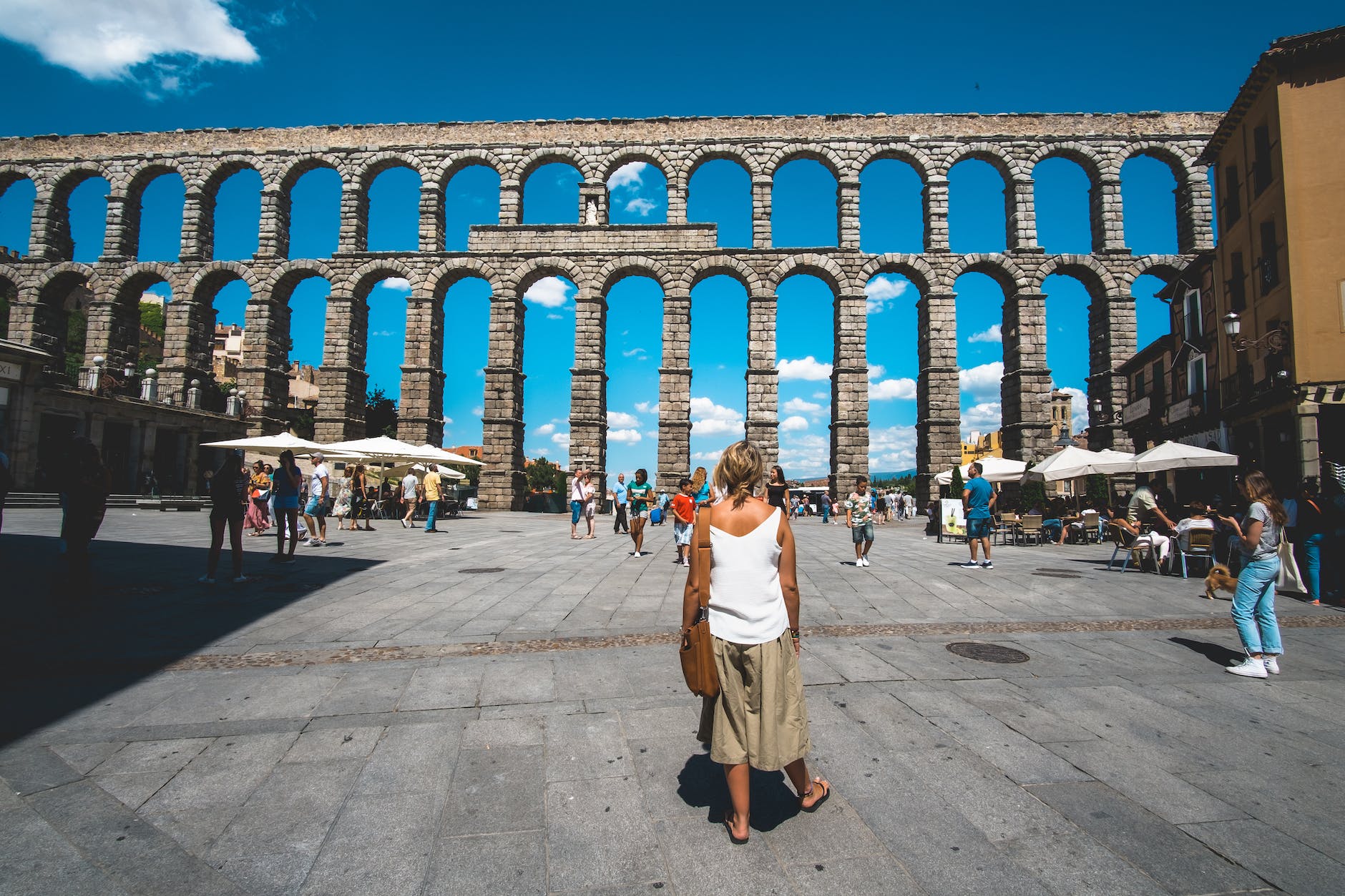
In the final part of our three-part series on the Roman aqueducts, we explore the lasting legacy and influence of these engineering marvels. The aqueducts of Rome are not merely historical relics; they continue to inspire and inform modern engineering and architecture.
Legacy
The Roman aqueducts have left an indelible mark on the world of engineering. Their innovative construction techniques, use of materials, and understanding of hydraulic principles laid the foundation for modern civil engineering.
The aqueducts continue to stand as a symbol of human ingenuity, resilience, and aesthetic sensibility. They remind us of a time when engineering was not just about functionality but also about creating structures that resonated with beauty and grandeur.
Influence on Modern Engineering
The principles and techniques employed in the construction of the Roman aqueducts continue to influence modern engineering. The use of arches, the understanding of hydraulic principles, and the emphasis on aesthetics are reflected in contemporary architecture and engineering projects.
The aqueducts also serve as a reminder of the importance of sustainable water management, a lesson that resonates in our current age of environmental challenges.
This final part of our series has explored the legacy and influence of the Roman aqueducts. From their historical context to their construction techniques, challenges, and lasting impact, the aqueducts of Rome stand as a testament to the brilliance of ancient engineering.
We hope you have enjoyed this three-part journey into the world of Roman engineering. The aqueducts of Rome continue to inspire, reminding us of the timeless beauty and ingenuity of human civilization.
 Ruins and Relics