
This week’s archaeological discoveries invite us to ponder the universal themes of death and ritual that have fascinated humanity for millennia. From Bronze Age Kazakhstan to ancient Turkey, from Neanderthal caves to the tombs of Egypt, we explore how different cultures have approached the end of life—and what these practices reveal about our ever-changing understanding of our ancestors.
In the vast steppes of eastern Kazakhstan, a Bronze Age burial mound has been excavated, revealing the remains of a young girl. She was found surrounded by an eclectic mix of artifacts—metal sword pommels, a bronze bowl, and even a bronze disc adorned with a frog carving. These items offer a window into the spiritual beliefs of her community. The presence of animal bones, possibly from sheep or cattle, suggests that rituals may have been performed, perhaps to ensure a smooth transition to the afterlife. Read More
In Turkey, a groundbreaking discovery has been made—the world’s oldest known polychrome floor mosaic. This ancient work of art, with its vivid colors and intricate patterns, challenges our preconceptions about the artistic capabilities of early civilizations. The mosaic’s complexity raises questions about the cultural and artistic influences that shaped this society, and it invites us to reconsider the origins of art and design in the ancient world. Read More
Recent years have seen a shift in our perception of Neanderthals, moving away from the outdated caveman archetype. A study from Iraqi Kurdistan’s Shanidar Cave adds to this evolving narrative. The pollen found in the cave, initially thought to be from flowers used in burial rituals, is now believed to have been deposited by insects. While this revelation may alter our understanding of Neanderthal burial practices, it doesn’t entirely negate the possibility that these early humans engaged in symbolic behavior. Read More
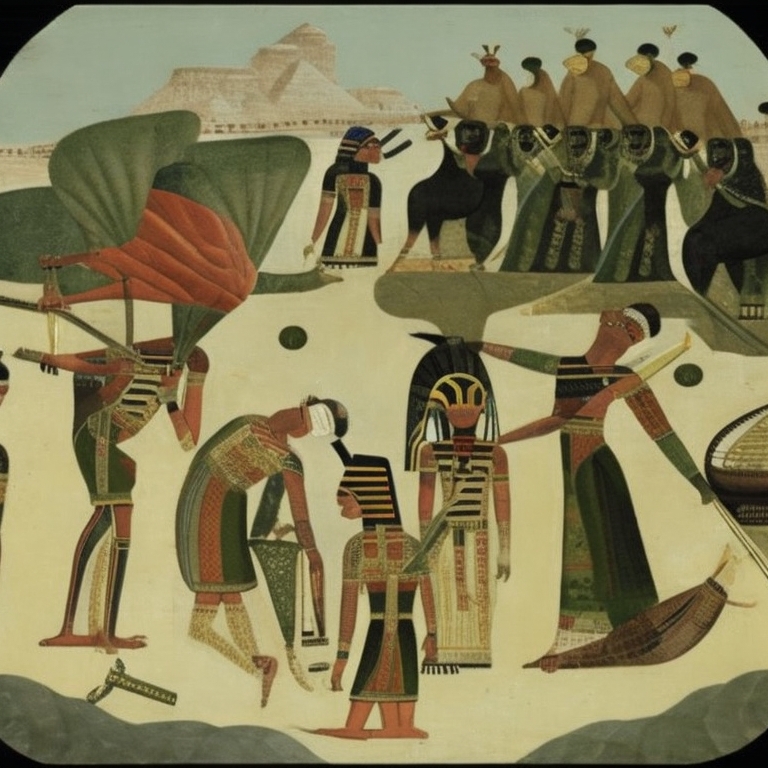
Adding another layer to our understanding of ancient practices, researchers have delved into the mummification recipes of ancient Egypt. They found that the Egyptians went to great lengths to obtain exotic substances for mummification, including resins and gums from far-off lands. These ingredients not only served practical purposes, like preservation and masking decay, but they also had symbolic significance, reflecting the Egyptians’ intricate beliefs about the afterlife. Read More
As we ponder these recent discoveries, we’re reminded that the story of our past is far from complete. Each new find adds a layer of complexity to our understanding of human history, inviting us to question, to explore, and to marvel at the richness of our collective journey. The recurring theme of death, whether it’s in the rituals of Bronze Age Kazakhstan or the mummification practices of ancient Egypt, serves as a poignant reminder of the universality of human experience.
Citations and Links:
 Ruins and Relics