
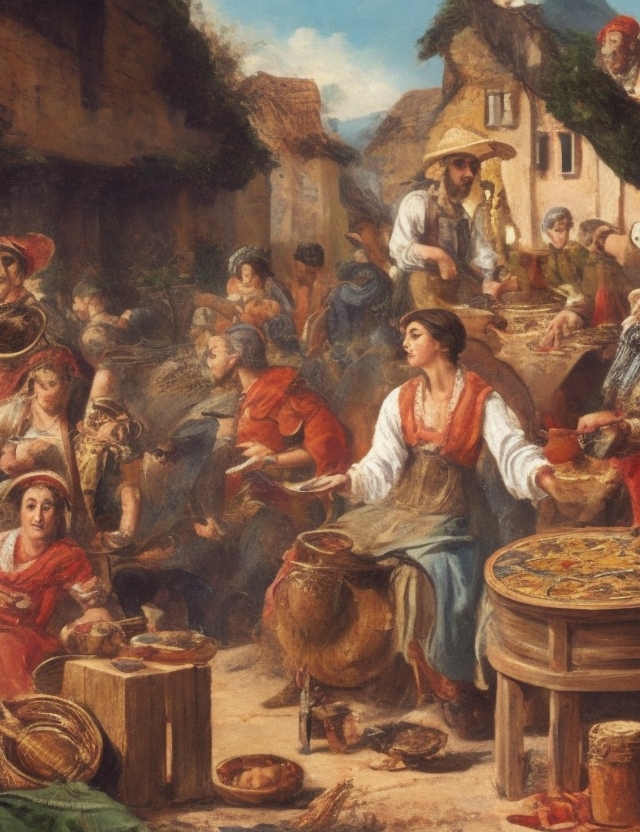
Welcome to the fifth installment of “Brewing Through Time: The Ancient Art and Impact of Beer.” Today, we explore ancient Europe, where beer was a social connector, a symbol of hospitality, and a reflection of regional diversity.
In the lands of ancient Europe, beer was more than a beverage; it was a part of the social fabric. From the Celtic tribes of the British Isles to the Germanic peoples of Central Europe, beer was a common thread that wove communities together.
The brewing traditions of ancient Europe were rich and varied. Different regions had their unique styles, ingredients, and brewing methods. Barley, wheat, and oats were common grains used, and flavorings ranged from herbs and spices to honey and fruit.
Beer was often brewed in homes, monasteries, and local breweries. It was a communal activity, bringing people together to share in the labor and the enjoyment of the final product.
In many ancient European cultures, beer was a symbol of hospitality. Offering a guest a mug of beer was a sign of welcome and goodwill. Feasts and festivals were occasions for communal beer drinking, accompanied by music, dance, and storytelling.
Beer also played a role in religious practices and rituals. In some Celtic traditions, beer was offered to deities and used in ceremonies to mark seasonal changes and significant life events.
The legacy of ancient European beer continues to influence modern brewing. The craft, creativity, and community spirit that characterized ancient European brewing are still celebrated in the diverse beer cultures across the continent.
As we near the conclusion of our series, we reflect on the universal appeal of beer and its ability to foster connections across cultures and generations. Join us for the final part, where we will explore the sacred and ceremonial significance of beer in the ancient Americas.
Citations:
 Ruins and Relics