
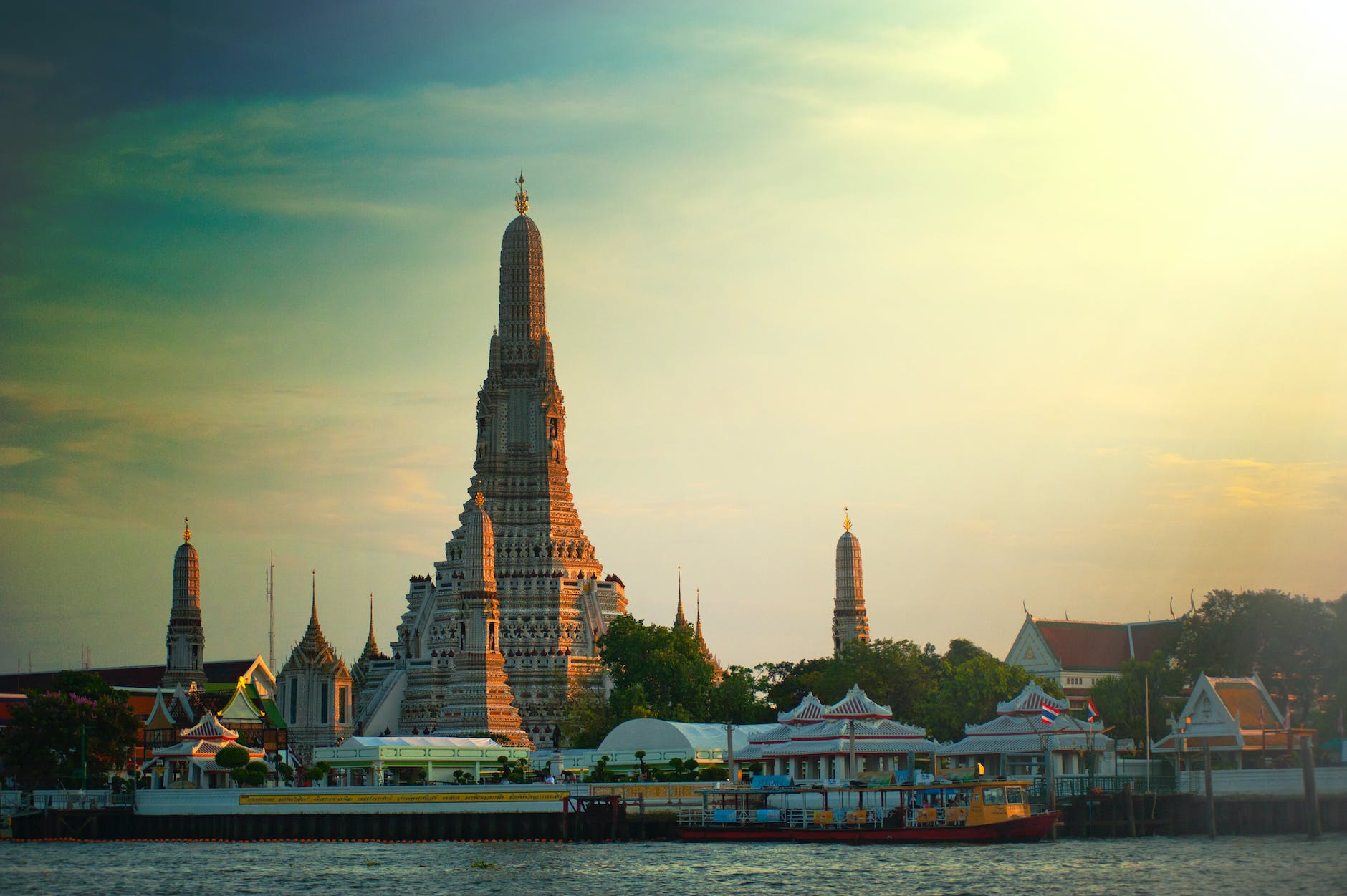
In the lush jungles of Cambodia, the majestic spires of Angkor Wat rise, a symbol of spiritual aspiration, architectural brilliance, and the legacy of the Khmer Empire. Join us on a journey to this UNESCO World Heritage Site, where stone and nature intertwine, and the echoes of ancient chants linger in the corridors.
Morning: Arrival and Sunrise Your exploration of Angkor Wat begins with a sunrise experience, where the silhouette of the temple’s iconic towers reflects in the still waters, and the first rays of light unveil the intricate carvings and grand scale of this religious monument.
As you wander through the galleries, courtyards, and chambers, the stories of Hindu epics, Buddhist teachings, and royal endeavors come to life in the bas-reliefs and sculptures.
Angkor Wat’s Mysteries Unveiled Guided tours and interpretive signs offer insights into the symbolism, architecture, and spiritual significance of Angkor Wat. The alignment with celestial bodies, the representation of Mount Meru, and the very layout of the temple reflect a cosmic vision and a connection to the divine.
Explore the Hall of Echoes, where sound resonates in a mystical manner, and the hidden corners where nature and stone embrace in a harmonious dance.
Afternoon: Exploration of Angkor Complex Consider exploring the nearby Bayon Temple, Ta Prohm, and other marvels within the Angkor complex, where each site offers unique insights into the Khmer culture, art, and history.
Savor traditional Cambodian cuisine, where local flavors and ingredients offer a taste of the region’s rich culinary heritage.
Evening: Cultural Performance and Reflection Consider attending a traditional Apsara dance performance or visiting local artisan workshops to engage with contemporary Cambodian culture.
As the day comes to a close, reflect on the human creativity, spiritual aspiration, and the timeless connection between land, sky, and people that Angkor Wat embodies.
Transportation Tips: Angkor Wat is accessible by tuk-tuk, car, or guided tours from nearby Siem Reap.
Other Things to Do: Explore nearby historical sites, visit local markets, or engage with cultural experiences offered in the region.
Information for this blog post was gathered from various sources, including official Angkor Wat guides and historical research. For more detailed insights and ticket information, visit the official Angkor Wat website: Angkor Wat Official Site
 Ruins and Relics