
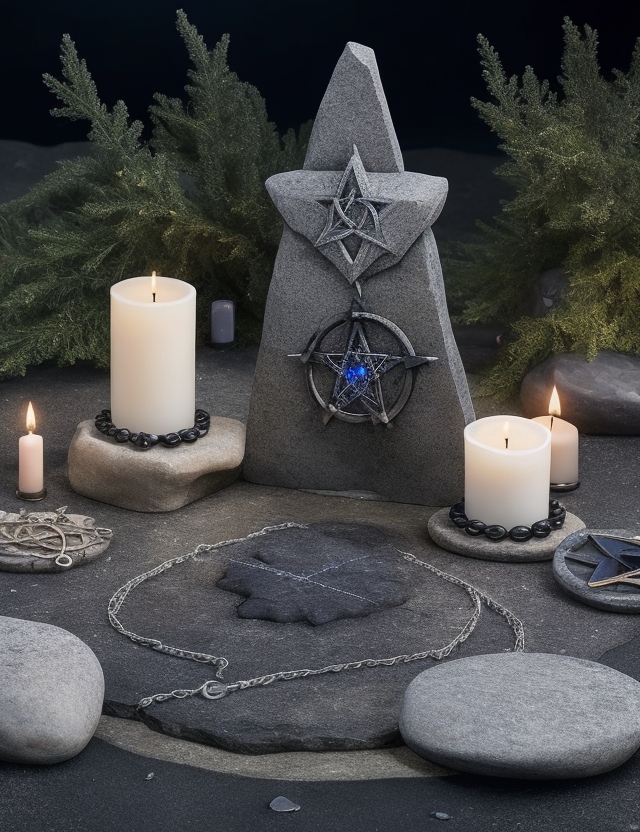
The modern era has witnessed a dramatic shift in the perception of witchcraft. Far removed from the days of witch trials and public executions, witchcraft today is a subject of fascination, study, and even mainstream acceptance. However, the journey to this point has been fraught with challenges and misconceptions.
The 20th Century: Witchcraft Reimagined
The 20th century saw the emergence of new forms of witchcraft that drew from ancient traditions but adapted to modern sensibilities. Wicca, founded in the 1950s by Gerald Gardner, became one of the most popular and widely practiced forms of modern witchcraft. Unlike the witchcraft of old, Wicca was a religion that celebrated nature and the divine feminine.
Pop Culture and Witchcraft
The portrayal of witches and witchcraft in pop culture has also played a significant role in shaping modern perceptions. From the wicked witches of fairy tales to the empowered figures in shows like “Charmed” and “The Witcher,” these representations have both perpetuated stereotypes and opened doors for a more nuanced understanding.
The Internet Age: A New Frontier
The advent of the internet has revolutionized the practice and study of witchcraft. Online communities, digital archives, and social media platforms have made it easier than ever for practitioners to connect, share knowledge, and debunk myths. However, this accessibility has also led to debates about cultural appropriation and the commercialization of sacred practices.
As we conclude this series, it’s clear that witchcraft has come a long way from its ancient origins. Today, it stands as a multifaceted practice that spans cultures, religions, and even academic disciplines. While challenges remain, the modern era offers unprecedented opportunities for understanding and embracing the rich tapestry of witchcraft.
This concludes our journey through the ages, exploring the complex and ever-changing world of witchcraft. From its ancient roots to its modern manifestations, witchcraft remains a compelling and often misunderstood aspect of human history and culture.
 Ruins and Relics