
The history of medicine is as old as humanity itself, with ancient civilizations developing various healing practices and techniques. These early medical traditions, rooted in both science and spirituality, reveal the ingenuity and resourcefulness of our ancestors in understanding and treating ailments.
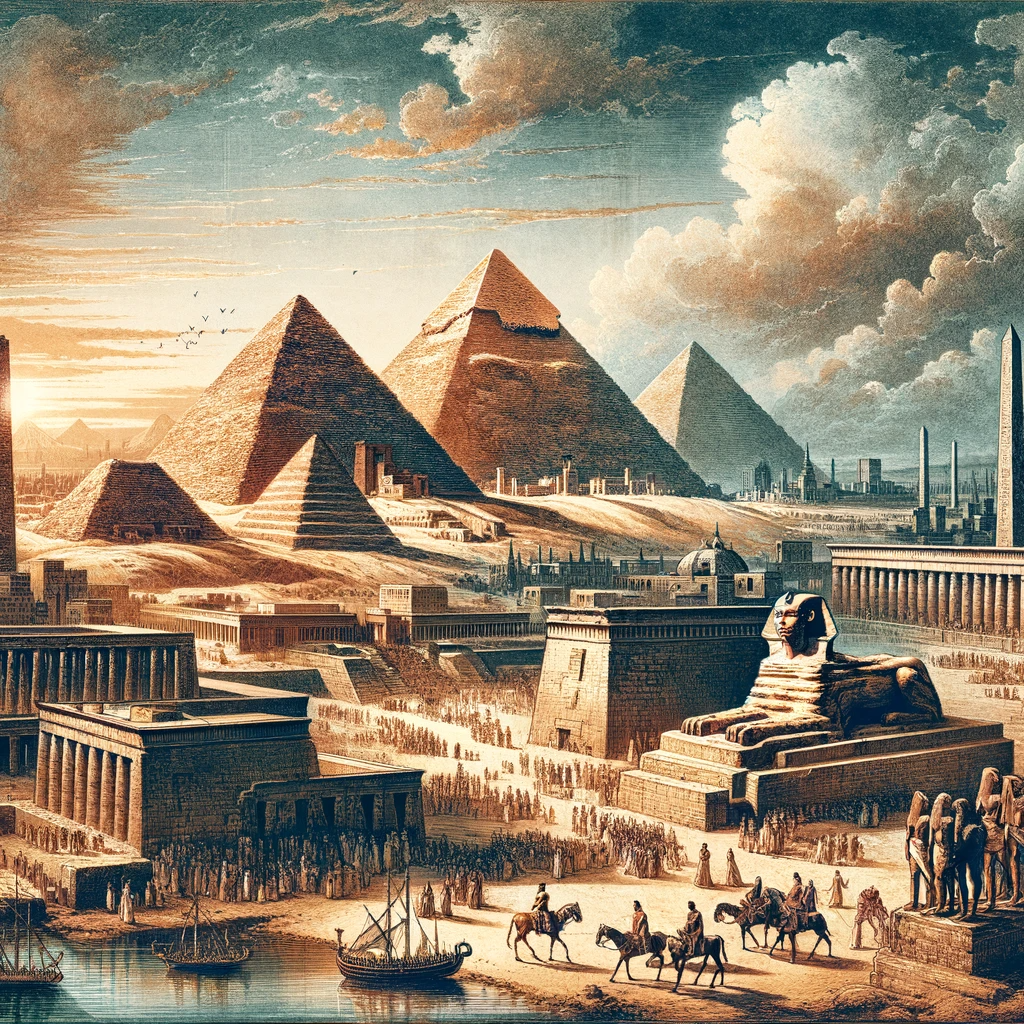
In ancient Egypt, medical practices were closely linked to religious beliefs. Egyptian healers, often priests, used herbs, spells, and incantations in their treatments, as seen in the Ebers Papyrus, one of the oldest medical texts. Their understanding of anatomy, gained from mummification, contributed significantly to their medical knowledge.
The Greeks, with figures like Hippocrates, known as the ‘Father of Medicine’, approached healing with a blend of philosophy and practical knowledge. Hippocrates’ emphasis on the natural healing processes of the body and the importance of diet and environment in health laid the foundation for modern medicine. The Hippocratic Oath, a staple of medical ethics, originated from this era.
In ancient India, Ayurveda, the science of life, emerged as a holistic healing system. It focused on balancing the body, mind, and spirit to achieve wellness. Ayurvedic practitioners used natural remedies, including herbs and minerals, along with practices like yoga and meditation, to treat and prevent illnesses.
These ancient medical traditions, while varied in their approaches, all shared a common goal: to understand and heal the human body. They represent the early steps in the journey of medical discovery, a journey that continues to evolve and grow, drawing inspiration from these ancient wisdoms.
 Ruins and Relics