
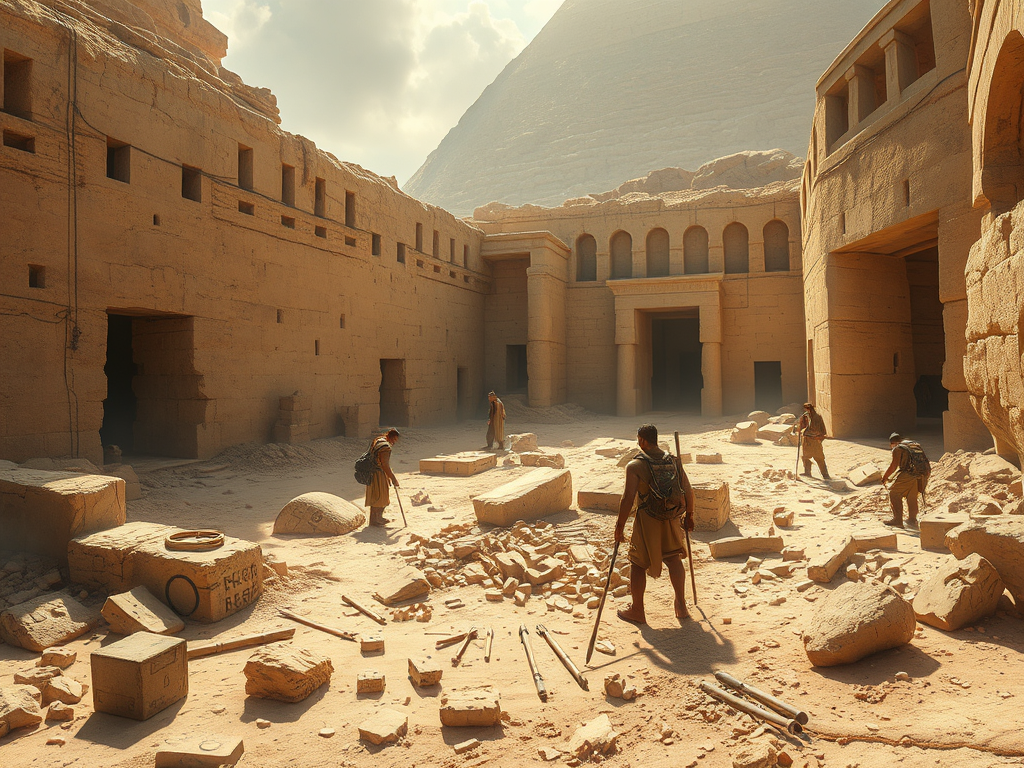
In the heart of Thebes, a long-lost royal burial has been brought to light, sparking a fresh wave of fascination among Egyptologists and history enthusiasts alike. After decades of speculation and fruitless searching, the tomb of Pharaoh Thutmose II has been identified, marking the first such royal find since the discovery of King Tutankhamun over a century ago. This breakthrough isn’t just a thrilling addition to the annals of Egyptian history—it’s reshaping the way archaeologists approach their work and consider the interplay of natural forces and human ingenuity.
A Pharaoh’s Resting Place Unearthed
When researchers began digging at a site in Thebes in 2022, they didn’t know they were standing above what would become one of the most significant royal discoveries in recent memory. It wasn’t until fragments bearing Thutmose II’s name emerged that the true nature of the tomb was confirmed. However, the site was not pristine: ancient floods had long since damaged the structure, and the king’s remains were likely removed centuries ago, perhaps in a bid to protect them from looters. What’s left is a patchwork of clues that, together, tell the story of a ruler overshadowed by his more famous family members.
Dr. Sarah Ahmed, a leading Egyptologist, describes the find as “a rare window into a relatively quiet chapter of the Eighteenth Dynasty. Thutmose II’s reign was short, and his legacy has often been eclipsed by the powerful figures around him. This tomb gives us a chance to re-examine his place in history.”
A Battle Against the Elements—and Time
Unlike the untouched grandeur of Tutankhamun’s tomb, Thutmose II’s burial site has suffered the ravages of nature. Floodwaters not only eroded the tomb’s integrity but also likely prompted priests or officials to move his remains to a safer location. This natural damage, however, has provided unexpected insights into ancient Egyptian practices. The very act of relocating royal mummies, for instance, reveals the lengths to which these ancient communities went to preserve their rulers’ spiritual well-being.
Professor James Thornton, an expert in ancient Egyptian burial traditions, explains, “This isn’t just a story about looting. It’s about adaptation—how ancient Egyptians responded to both natural disasters and societal changes. Every step they took to protect Thutmose II’s legacy tells us something about their beliefs and values.”
What This Discovery Teaches Us About Modern Archaeology
Beyond the historical importance of the tomb itself, Thutmose II’s rediscovery has already begun influencing how archaeologists approach their craft. Interdisciplinary teams that include hydrologists, geologists, and digital mapping experts were critical to confirming the site’s identity. This collaboration points to a future where archaeology becomes increasingly cross-disciplinary.
According to Dr. Marianne Al-Khatib, a preservation specialist who worked on the project, “This find has shown us how essential it is to work together—archaeologists, climate scientists, and engineers—to not only uncover history but also preserve it for future generations. It’s not just about digging anymore; it’s about understanding the broader context.”
A New Era in Archaeological Methods
The tools used to confirm Thutmose II’s tomb are already becoming standard in modern excavations. Ground-penetrating radar helped locate the site, and advanced imaging technology allowed the team to digitally reconstruct damaged areas without physically moving anything. By integrating these cutting-edge methods, archaeologists can minimize disruption, preserve fragile materials, and still produce comprehensive records for future study.
Thornton adds, “What we’re seeing here is a shift in how we approach sites like this. We’re no longer just hunting for treasures; we’re documenting ecosystems. We’re reconstructing history in a way that’s sustainable and accessible.”
Redefining Archaeology, One Discovery at a Time
The rediscovery of Thutmose II’s tomb, though not as lavish as some of its predecessors, is a reminder that archaeology isn’t about gold and glory. It’s about piecing together human stories—stories that still shape how we understand our shared past. This find invites us to think beyond the artifacts themselves and consider how the environment, cultural practices, and modern technology intersect to keep those stories alive.
Visit us at Ruins and Relics and become a part of our community. Your voice matters in the grand narrative of human history. #HumanSaga #UnearthThePast
 Ruins and Relics